A practical guide for electronics buyers and hardware teams
If a repeat PCB assembly quote has increased even though your design has not changed, ask for a cost breakdown before approving the order. The difference may come from component purchases, bare boards, batch size, testing, or delivery requirements. Each needs a different response.
PCB assembly costs in 2026 face pressure from selected component shortages and higher input costs. But market headlines cannot explain the price of your individual board. The most useful comparison is the total cost of delivering the same quantity of boards, built and tested to the same requirements.
This guide explains the current market signals, what to check in a PCB assembly quote, and how to reduce avoidable spending without removing essential quality controls.
Why PCB assembly quotes are rising in 2026
The Global Electronics Association’s October 2026 industry update reported that 81% of manufacturers in its October survey experienced rising material costs. That is the share of respondents reporting an increase, not an 81% increase in prices or a result that applies to every supplier.
Sourceability’s Q3 2026 lead time report describes supply pressure extending beyond memory into supporting technologies such as power components, connectors, and capacitors. It also identifies metals, packaging, logistics, and energy as cost pressures. These trends can affect a product even when it is not an AI device.
Conditions still differ by component. TrendForce’s October 2026 MLCC research described tight availability for high-capacitance MLCCs while reporting weaker spot prices for some lower-capacitance consumer grades earlier in October. A general shortage narrative is therefore insufficient justification for a blanket increase across your BOM.
Ask your supplier to identify the affected manufacturer part numbers, previous and current purchase prices, available stock, and confirmed lead times. Then separate those changes from assembly labor, one-time setup, exchange-rate assumptions, or a new requirement for expedited delivery.
Also check when the quotation expires and when material prices become committed. A quoted lead time should explain whether it includes component procurement, engineering approval, production, testing, and shipping.
What a PCB assembly cost breakdown should include
The phrase “assembly price” can mean placement and soldering only, or a much broader supply package. Before comparing PCB assembly services, agree on the included deliverables.
| Cost category | What to confirm |
|---|---|
| Bare PCB fabrication | Board revision, material, stack-up, finish, dimensions, and required quantity. |
| Components and sourcing | Exact part numbers, approved alternatives, procurement quantity, excess material, and sourcing charges. |
| Assembly operations | SMT and THT work, assembly sides, manual operations, and any special processes. |
| Setup and tooling | Stencil, programming setup, test fixtures, engineering charges, and which fees repeat. |
| Programming and testing | Firmware revision, inspection scope, functional test steps, limits, and records. |
| Box build and packaging | Enclosure, wiring, final assembly, labels, protective packaging, and acceptance requirements. |
| Delivery and commercial terms | Freight, currency, payment terms, quote validity, and responsibility for applicable duties and taxes. |
Ask whether the unit price includes all material purchases or whether minimum order quantities and unused reels are billed separately. For repeat orders, confirm ownership, storage, and reuse conditions for remaining components, stencils, and fixtures.
How to compare PCB assembly quotes fairly
Consider this hypothetical order for 200 boards. Both offers use the same BOM and board revision and must meet the same functional test requirements. All figures are illustrative USD amounts, not VOSNOR prices or market benchmarks. Freight, duties, and taxes are excluded from both offers.
| Quoted item | Offer A | Offer B |
|---|---|---|
| PCB, components, and assembly per board | $16.80; test extra | $18.10; test included |
| One-time setup | $300 | $180 |
| Required functional testing | $1.20 per board | Included |
| Total for 200 accepted boards | $3,900 | $3,800 |
| Effective cost per accepted board | $19.50 | $19.00 |
Offer A totals (200 × $16.80) + $300 + (200 × $1.20). Offer B totals (200 × $18.10) + $180. The lower headline unit price costs $100 more for the agreed order.
For your own comparison, use the number of accepted boards due for delivery as the denominator. Include every required charge once, and check who pays for rework or replacement under the agreed acceptance terms. Add comparable shipping and import costs separately when evaluating the delivered budget. For the rest of the supplier review, use these 10 checks for choosing a PCBA manufacturer in China.
Six ways to control PCB assembly costs
1. Review the BOM items driving the increase
Start with the largest changes in extended cost: component unit price multiplied by the quantity used per board and the production quantity. Ask for separate options covering the original part, an engineering-approved alternative, and a different delivery schedule.
Approve substitutes in writing after the responsible engineer checks electrical, mechanical, firmware, and reliability requirements. A cheaper component that requires redesign or requalification may increase total project spending. Our component substitution approval guide explains what to confirm before a replacement enters production.
2. Match material purchases to realistic demand
A larger order can spread setup charges and improve some purchase prices, but it also ties up cash and creates excess-stock risk. For low volume PCB assembly, request pricing for realistic quantities and ask whether components can be purchased together while production is released in stages.
Confirm minimum purchases, storage charges, ownership, and non-cancellable commitments before authorizing procurement. A forecast alone should not be treated as approval to buy materials.
3. Resolve manufacturing questions before production
Use a design-for-manufacturing review to check footprints, component spacing, soldering access, panel handling, and test access. Resolve mismatches between the BOM, assembly drawing, and board files before the build is released.
For prototype PCB assembly, record the changes needed before the pilot run. Repeating a known manual correction across hundreds of boards can cost more than fixing it in the next revision.
4. Separate material lead time from assembly time
Ask which component controls the delivery date and which dates are confirmed. Compare the cost and schedule of waiting for normal supply, using an approved alternate, or splitting delivery. Expedited freight for one missing item should be visible in the quotation. If a single component holds up the batch, see how to handle a component shortage before it delays assembly.
Do not assume an assembly lead time starts when the purchase order is sent. Confirm the starting conditions, including material availability, approved files, and test readiness.
5. Define testing before comparing prices
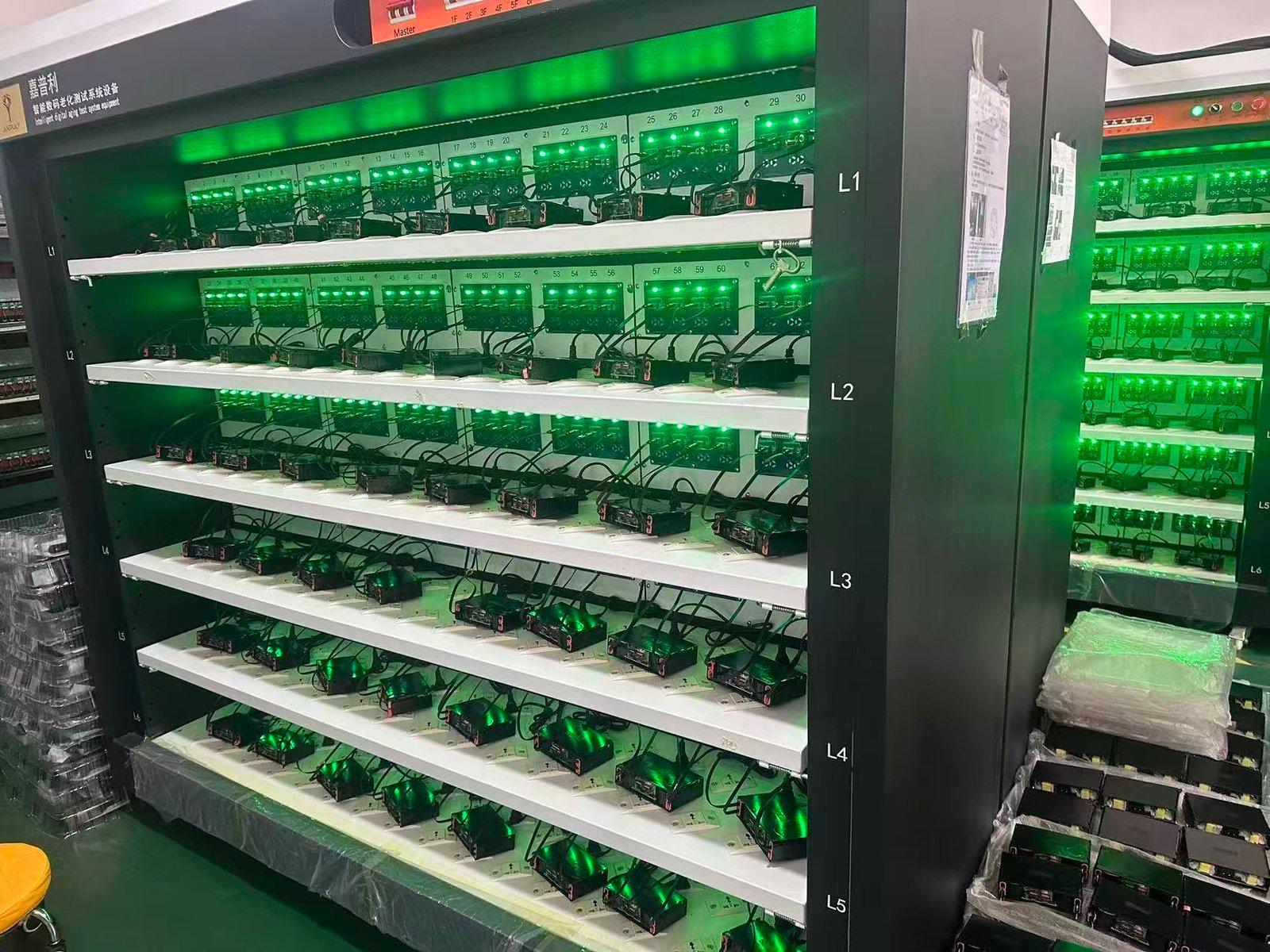
Give every supplier the same inspection and functional test requirements. Specify firmware, test conditions, pass limits, fixtures, and the records you need. Otherwise, a price reduction may simply remove work that another quote includes.
If test time appears excessive, review the process with engineering to identify unnecessary repetition or opportunities for automation. Any change must preserve the coverage required for the product.
6. Make turnkey responsibilities explicit
Turnkey PCB assembly can simplify coordination when one supplier manages purchasing and production. The price still depends on the agreed scope. Confirm whether programming, functional testing, enclosure assembly, labeling, and packaging are included.
For box build assembly, identify who supplies each mechanical item and who resolves fit or interface problems. A board that passes its own test may still need a separate finished-product test after final assembly.
What to send for an accurate PCB assembly quote
A complete request for quotation reduces assumptions and makes supplier responses easier to compare. Include:
- The BOM with manufacturer part numbers, quantities, approved alternatives, and any customer-supplied parts.
- Gerber or equivalent fabrication data, PCB specifications, centroid data, and assembly drawings with matching revisions.
- Required quantities for the prototype, pilot run, and production order, with forecasts clearly identified as estimates.
- The delivery destination, required arrival date, and acceptable delivery options.
- Firmware and programming requirements, test procedures, acceptance criteria, and required records.
- Any coating, enclosure, wiring, labeling, packaging, or traceability requirements.
- A request to separate recurring unit costs, one-time charges, procurement commitments, and exclusions.
When a repeat quote rises, send a specific question:
Please show what changed from the previous quotation by BOM line, assembly operation, setup charge, testing scope, and delivery cost. For each increase, please identify any cost or schedule options that keep our requirements unchanged.
Frequently asked questions
How much does PCB assembly cost per board?
There is no useful universal price without the board files, BOM, quantity, and test requirements. Clarify whether the number covers assembly labor alone or a complete PCBA. Compare total required spending divided by the agreed accepted quantity.
Why did my quote rise with the same BOM?
The design can stay unchanged while component purchase prices, stock availability, order quantity, or commercial terms change. Ask for a revision-to-revision cost comparison. If the increase is described as a material increase, it should be linked to the affected materials.
Is turnkey PCB assembly always cheaper?
No. It can reduce purchasing and coordination work, but the result depends on sourcing terms, scope, and responsibilities. Compare the complete outsourced offer with your own material purchases, shipping, handling, and internal coordination costs.
Should I order more boards to lower the unit price?
Only if the additional demand is credible and the design is stable enough. Compare the unit-price saving with the cash committed, storage costs, and potential obsolete inventory. Request separate quantity options before choosing the batch size.
Discuss your PCB assembly requirements with VOSNOR
VOSNOR supports component sourcing, SMT and THT assembly, programming, testing, and box build services. Share your BOM, PCB files, order quantities, test requirements, and delivery destination so we can discuss the production scope and quotation assumptions for your project.
Request a PCB assembly quote or send your project details to inquiry@vosnor.com.
Market references checked on November 5, 2026. Sources are linked beside the relevant claims. Confirm current availability and pricing for the specific parts and quantities in each quotation.